#35 Deeper Into Outer Space | Provhat Rahman
From the Daytimers and Dialled-In to Bradford’s Built by Sound, Provhat Rahman shares how he’s helping shine a spotlight on the music, clubs and creativity of the South Asian diaspora and beyond…

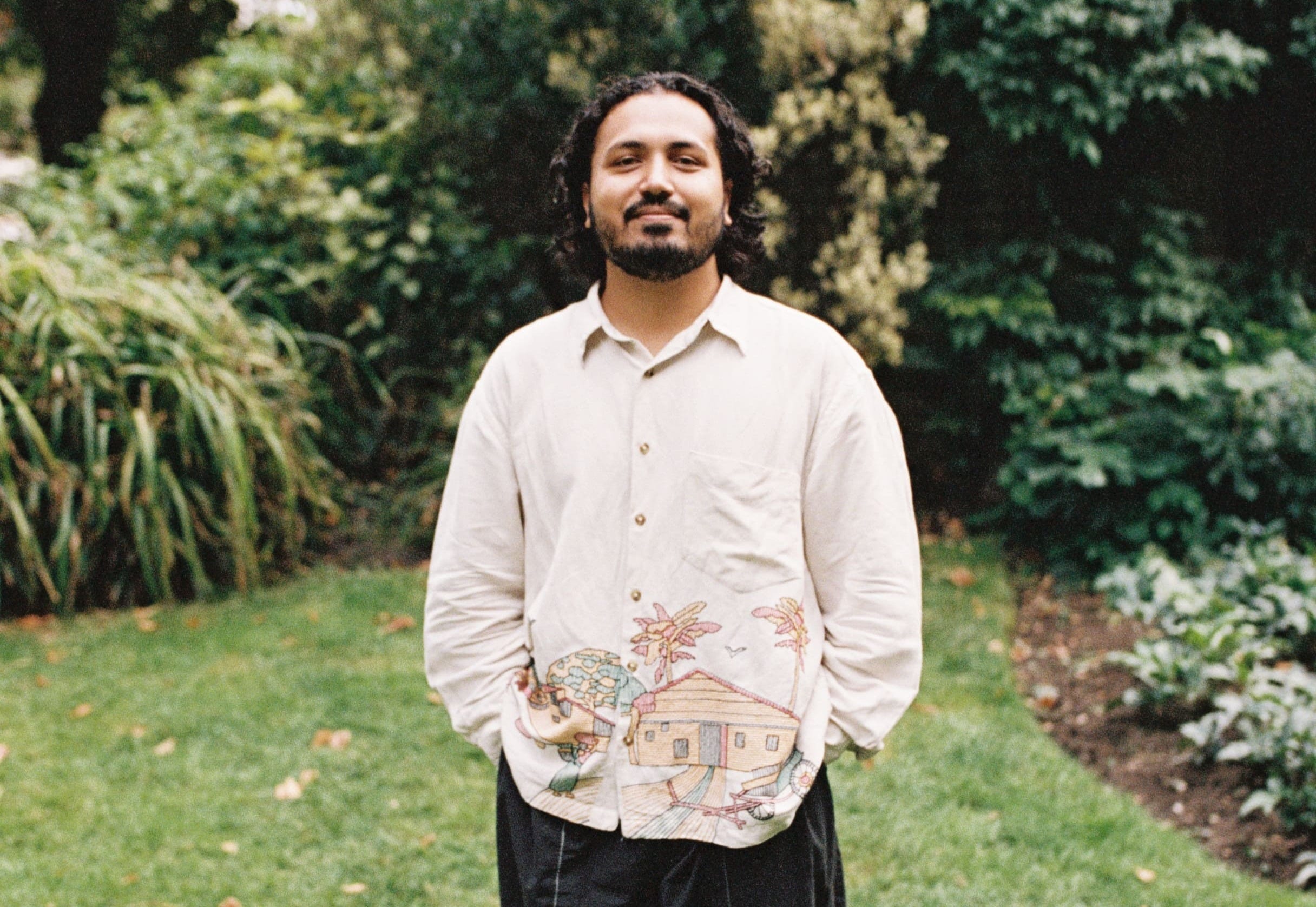
If you search for the Daytimers and DJ Radical Sista online, then you’ll likely unearth iconic photos taken by Tim Smith.
One particular image of Rani Kaur, the UK’s first Asian female Bhangra DJ and a pioneer of the Daytimers movement in the eighties, not only left a lasting impression on DJ, producer and cultural instigator Provhat Rahman but features in Bradford’s Built by Sound exhibition, an immersive celebration of the 1980s music movement scene Radical Sister was a key part of.
“It’s an image that jumps out, I’d never seen anything like it before and I couldn’t believe how it was from more than 30 years ago,” says Provhat. “It inspired me not only in thinking of names for the collective I wanted to launch but also in terms of the kind of space I wanted to build.”
It’s a striking image which celebrates the Daytimers scene, a musical movement which saw young British Asians gather to listen to DJs playing homegrown Bhangra and garage out of sight of their parents. Provhat has drawn on this energy for his contribution to the soundtrack for Built by Sound as well as his work with a contemporary iteration of the Daytimers collective and his Dialled-In events and workshops.
“The photo carries a lot of weight for me,” he says.
“Other angles of that shot from Tim’s archive are included in the experience, which is really amazing to see. For me it’s like witnessing the Mona Lisa come alive.”
Built by Sound
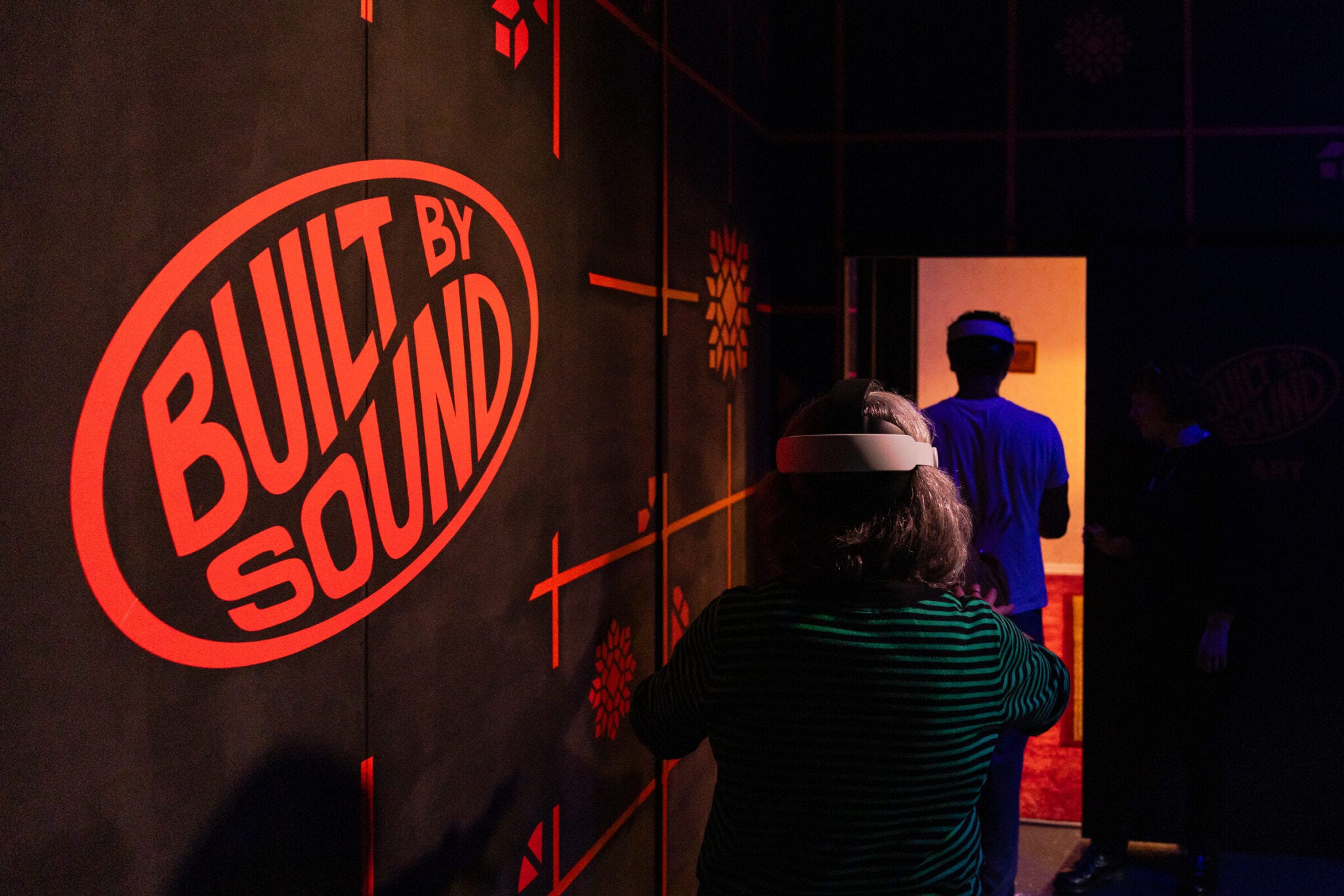
Named after the Daytimers events of the 1980s and 90s, where young British Asians skipped school to dance to music, the Daytimers collective was formed in 2020 during lockdown to continue that legacy of community and empowerment.
Dialled In is an artist-led movement inspiring South Asian arts and culture that “functions as a blank canvas for South Asians to paint their creativity on”. It’s through this latter initiative that the opportunity for Provhat to work on Built by Sound came about. This immersive exhibition explores South Asian communities in Britain, centring on the legacy of British colonialism, and brings the Daytimers scene to life through an interactive multi-sensory environment. Drawing on archival footage and interviews, it also features a soundtrack put together by Provhat.
“As Dialled In, we’ve worked on events in various spaces, Bradford Council found out about what we’d been doing and got in touch with us to be part of their City of Culture activity,” he says.
“We did the Summer Sounds festival with them in August which was really fun, then they had plans for a mixed reality experience,” Provhat continues.
“For the music, the brief was very specific in terms of understanding the sounds of that era and having had scoring experience. It was so niche that there were only a handful of people who would be right to do it, then my job situation changed so I was lucky enough to have the free time to dedicate to it.”
The experience takes participants on a journey into Bradford and the Daytimers scene, via the city’s landscape of the time, including the racism of the National Front.
“The era I was making it about definitely put me into a new creative space I’d not entered before,” Provhat says. “It was about stepping back and understanding what it was that made music from those decades sound like it does.”
“It also taught me a lot about how it’s possible to make something sound like it’s from a specific period by processing the sound, not just using the right instrumentation.”
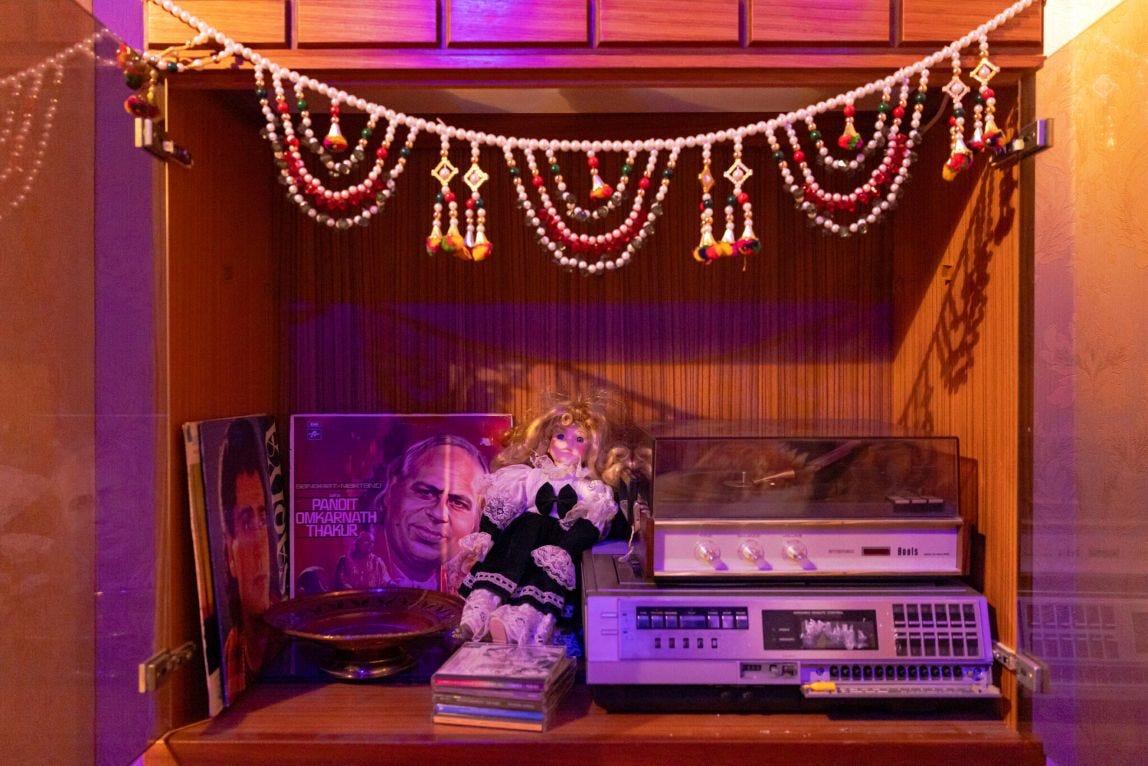
Provhat’s previous experiences as a producer meant he had the technical expertise and knowledge to put the soundtrack together with the project pushing him into new creative zones.
“As a composer for a project like this, you need to avoid being precious about anything you make, particularly as it can be edited, filtered or used somewhere else entirely,” he explains. “Being comfortable making music, sharing it and it being rearranged is an important part of it.”
The fourth room of Built by Sound features archival footage of Bradford’s societal mix and tensions including the presence of the National Front and stories of racism that stem from it. Provhat’s role was to emboss the narrative with musical conflict indictive of the time.
“Although the story features horrible experiences people went through, musically translating this was really fun as it turns into a story of resistance and fighting back,” Provhat explains. “It begins with Western instrumentation that builds and builds more aggressively, then transitions into South Asian instrumentation as it moves into the fightback.
The rave threshold
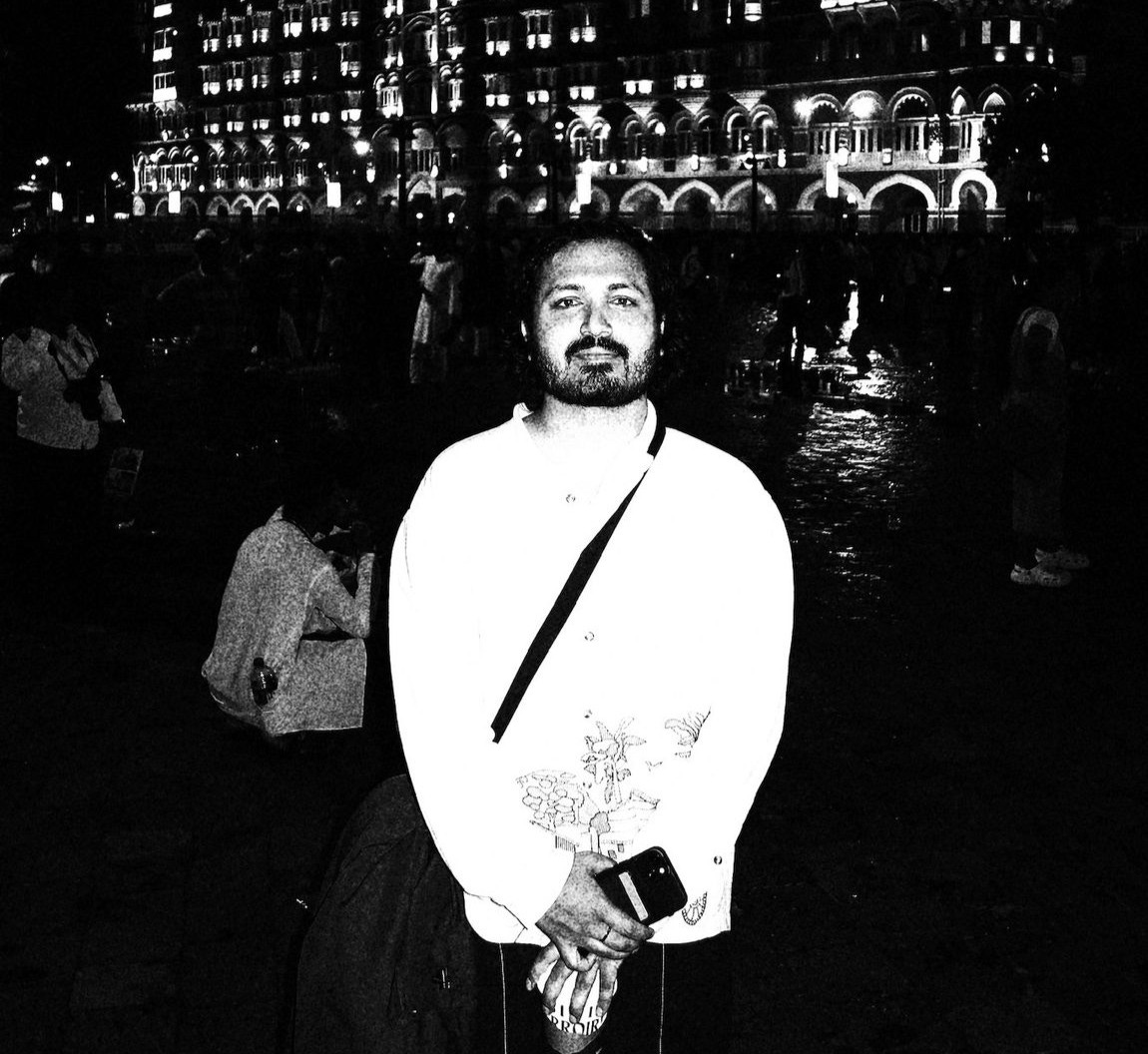
UK grime and garage were Provhat’s gateways to club culture and rave music.
He fell in love with the sounds and mixes of crews like Boy Better Know, Heartless Crew and Roll Deep, bass-heavy music that was all part of growing up in London.
“I had this innate familiarity with it, then the next step was going to university, going out and finding the common ground between grime and the labels that used it as stepping stones into club music,” Provhat states.
“Labels like Swamp 81 were key for me in terms of bridging the gap between grime and the kind of 130bpm, dubby UK techno sound. That was so important for me, it felt like I was experiencing club music in a new way.”
These off-kilter sounds were a key starting point for Provhat and his explorations into club music. Although in Guildford, where he went to study, there were less clubs and more house parties that became an important scene for him to delve into.
“On the course I was doing, there were sound system heads that were building their own rigs and putting it in their living rooms, so the space would be full of mids and tops, then there was a sofa in there,” Provhat laughs. “That would be where the house party would be, you could fit like ten people in there but they were really formative experiences for me alongside London clubs like Phonox and Corsica Studios.”
Daytimers
The legacy of the Daytimers parties has been picked up and taken on by Provhat and his fellow collaborators, including Ahad Elley (aka Ahadadream), Dhruva Balram and others.
“We’re coming from a context of joy as an act of resistance, as Brown joy and South Asian joy was so suppressed by racism, something that seems to be rearing its head again at the moment,” Provhat says.
“I don’t think throwing parties is an act of resistance in the same way it was in the eighties. But we are able to crossover into grassroots organising. One of the early things we did was to supply sounds for the Save Brick Lane initiative/campaign. There was a march and we were able to supply DJs as part of the fund-raising event.”
He sees tangible change in the line-ups of festivals with the likes of Manara and Yung Singh regular selectors but there is no end point for this work and advocacy.
“Having loads of names on a line up is only so good but you need change in the backroom, in positions of power and influence. Otherwise, it’s just tokenistic.”
Dialled In has partnerships with various residential recording studios which enable artists to record using the latest industry equipment. There is also a mentorship scheme which aims to offer support from the ground up.
“This does have value but it is about work continually being done which is bigger than Daytimers or Dialled In,” Provhat says. “We’re part of a global scene, the more work we do, the more people we meet, the more that is uncovered about who is already here, more pathways can be created so people can be where they want to be, whether that is in the booth, on the dancefloor or behind the scenes.”
New sounds, new spaces
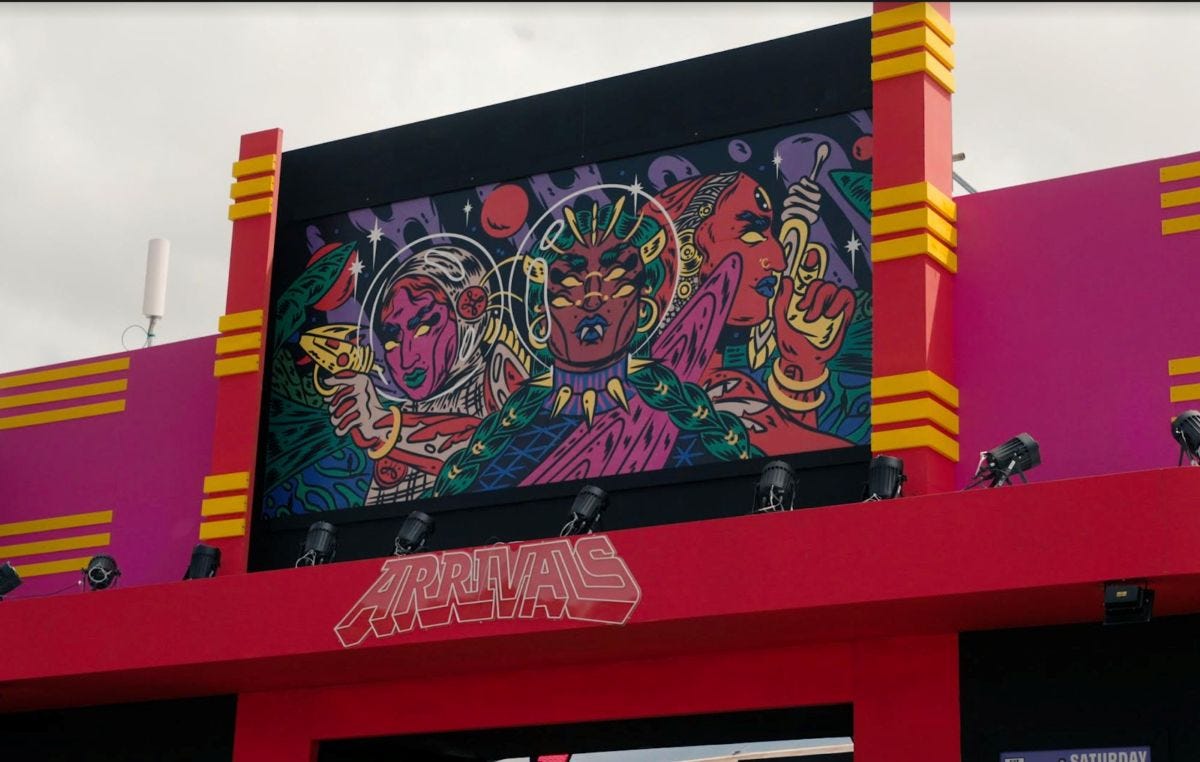
In 2024, Dialled In was behind one of the most talked about areas of Shangri La at Glastonbury. Arrivals was the first dedicated South Asian space at Glastonbury that had DJs playing over the entirety of the weekend.
“It was really fun, a huge undertaking,” Provhat says. “It wasn’t the first time that South Asian creatives had some kind of presence at Glastonbury. There had been takeovers before but the stage we ran was the first time that the South Asian community had a dedicated space for the entire week, including Dialled In, Daytimes and Bobby Friction’s Going South. It felt really seminal and emotional, it felt like this moment.”
Excise Dept is a current favourite for Provhat, a hip hop collective making beats, ambient textures with a 2024 album to their name. He sees their aesthetic and ambition as indicative of the kind of creativity, an inspiration to inject into all of the projects he’s involved in.
“They are visionary level creative, from the artwork to the promo assets to the live show,” Provhat says. “It’s built around this world they’ve created, being an excise department in India and working for Indian equivalent of HMRC. They have this world they’ve built, outfits, there’s a whole world to buy into from their music to the content they create on social media.”
“It’s incredibly thought out on minimal budgets and they come from a range of backgrounds. It’s so forward thinking, it feels very cutting edge - their output far surpasses the resources they have.”
Find out more:
Built by Sound | Daytimers | Dialled In
For more club stories, you can order a copy of my book, ‘Out of Space: How UK Cities Shaped Rave Culture’ via the Velocity Press website now.