#4 Deeper Into Outer Space | Sister Midnight
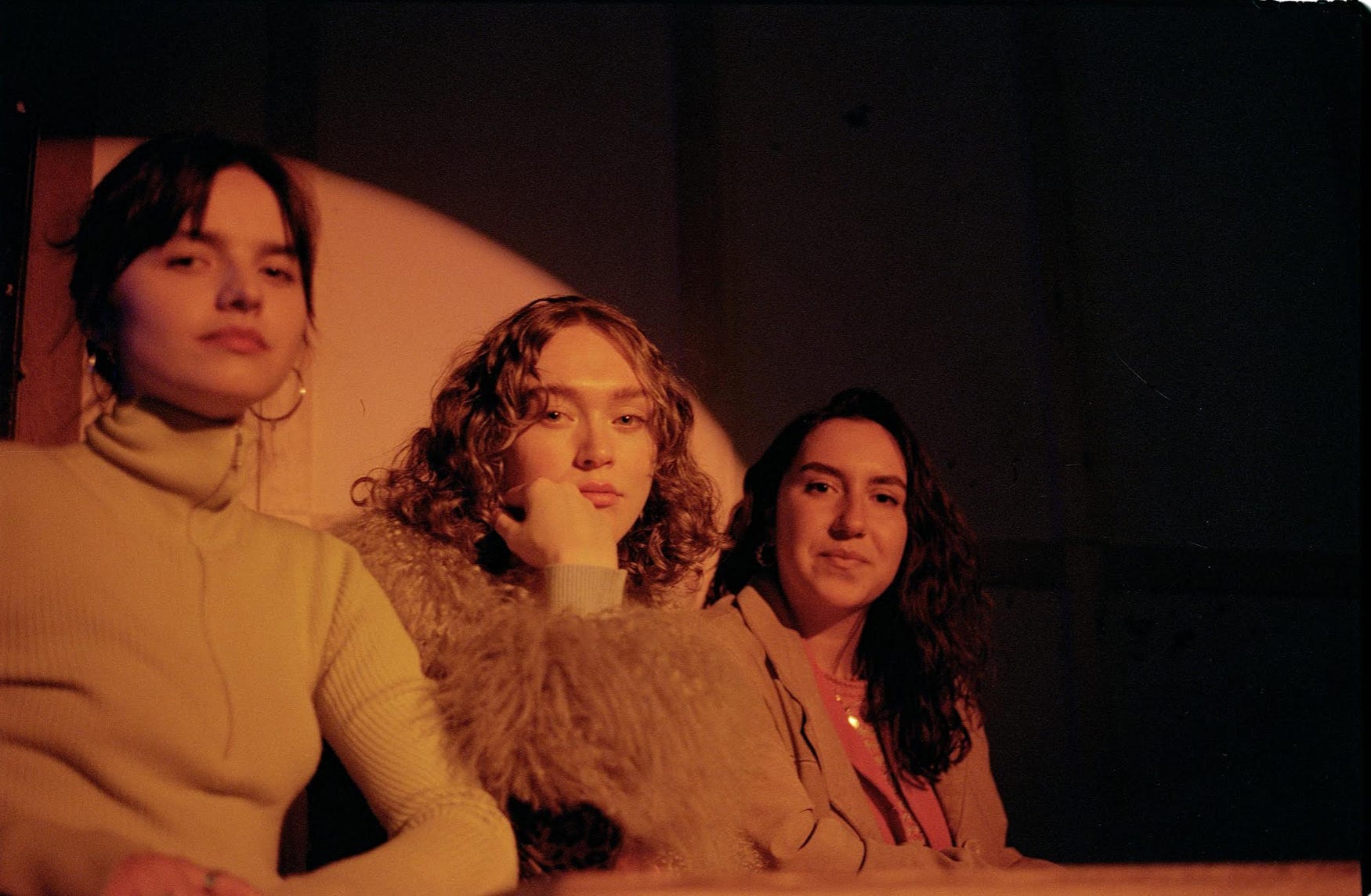
The London collective’s Lenny Watson on how they plan to bring creative communities together with a new South London hub…

How can music and cultural spaces survive and thrive in 2023?
Amid a stormy property market, the shadow of the pandemic and a seething cost of living crisis, pressures on creatives, venues and clubs are more acute than ever - and have shown no signs of abating over the last 18 months.
This impact can be seen in behaviours - according to findings, 25% of Gen-Z respondents and 13% of millennials reported being less interested in clubs now than they were before the pandemic.
Alongside changing mindsets, there have been huge physical losses - the number of clubs in the UK halved between 2005 and 2015 – and by the end of 2022, the number had been cut by a third since the beginning of the pandemic. Perhaps the biggest recent casualty has been the closure of the cavernous clubbing monolith that is South London’s Printworks while Brixton Academy is currently under threat.
Amid this deluge of negative headlines, a beacon of positivity can also be found south of the Thames, not too far away from where the now empty shell of Printworks resides in Canada Water. This emanates from not-for-profit co-operative organisation Sister Midnight and their creation of a new community-owned music venue in Lewisham. This latest development in their story offers hope for future believers in a restructuring of how grassroots cultural groups can get organised and lay claim to urban spaces - particularly they offer a vital resource for communities.
“Emerging research suggests that grassroots venues offer significant emotional support and mental health benefits,” says Lenny Watson from the group. “One of the challenges for venues is how they use positive stories and messaging like this in a way that can help them survive. We need to be more organised and more effective at demonstrating the value we can offer.”
New spaces
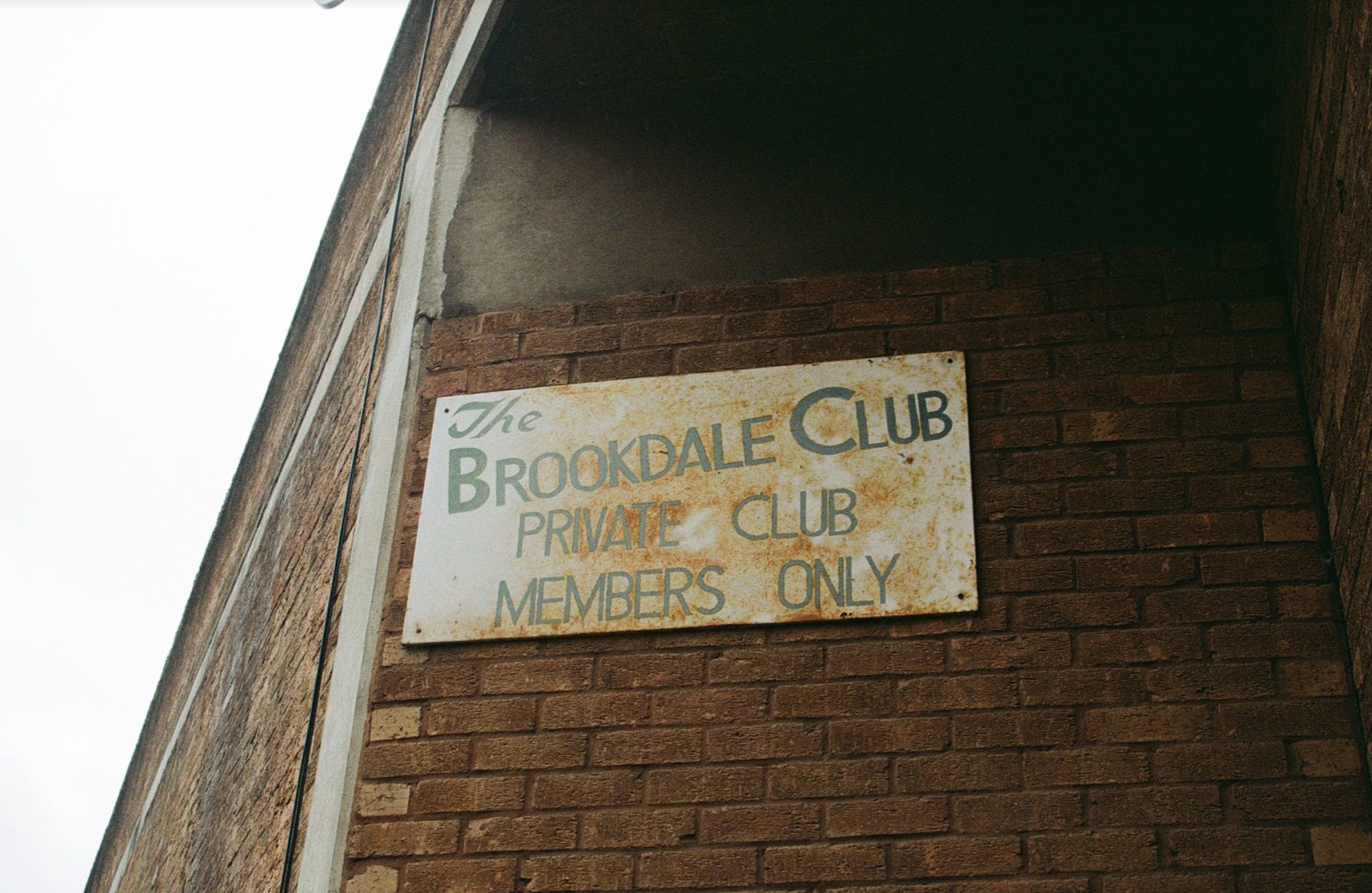
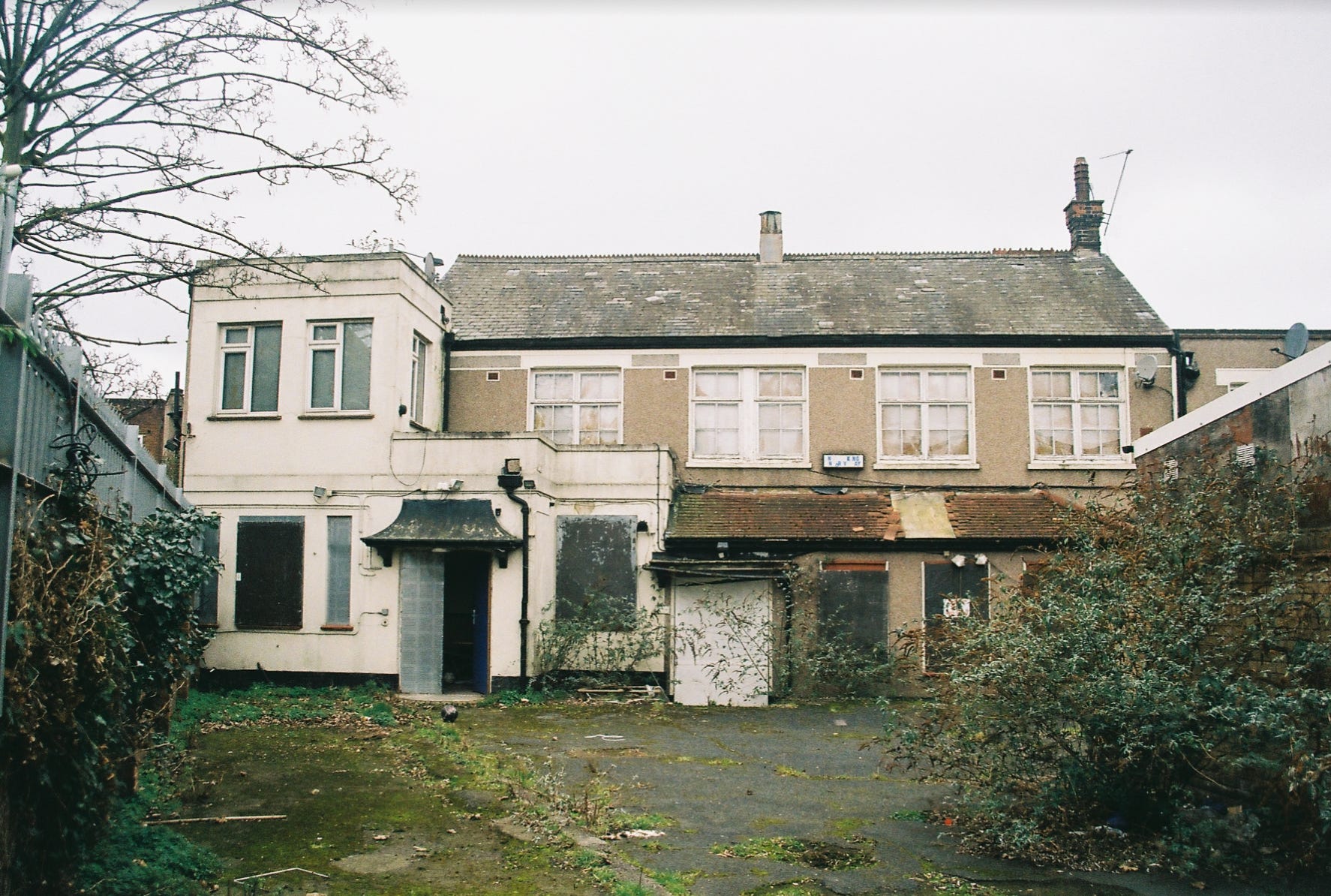
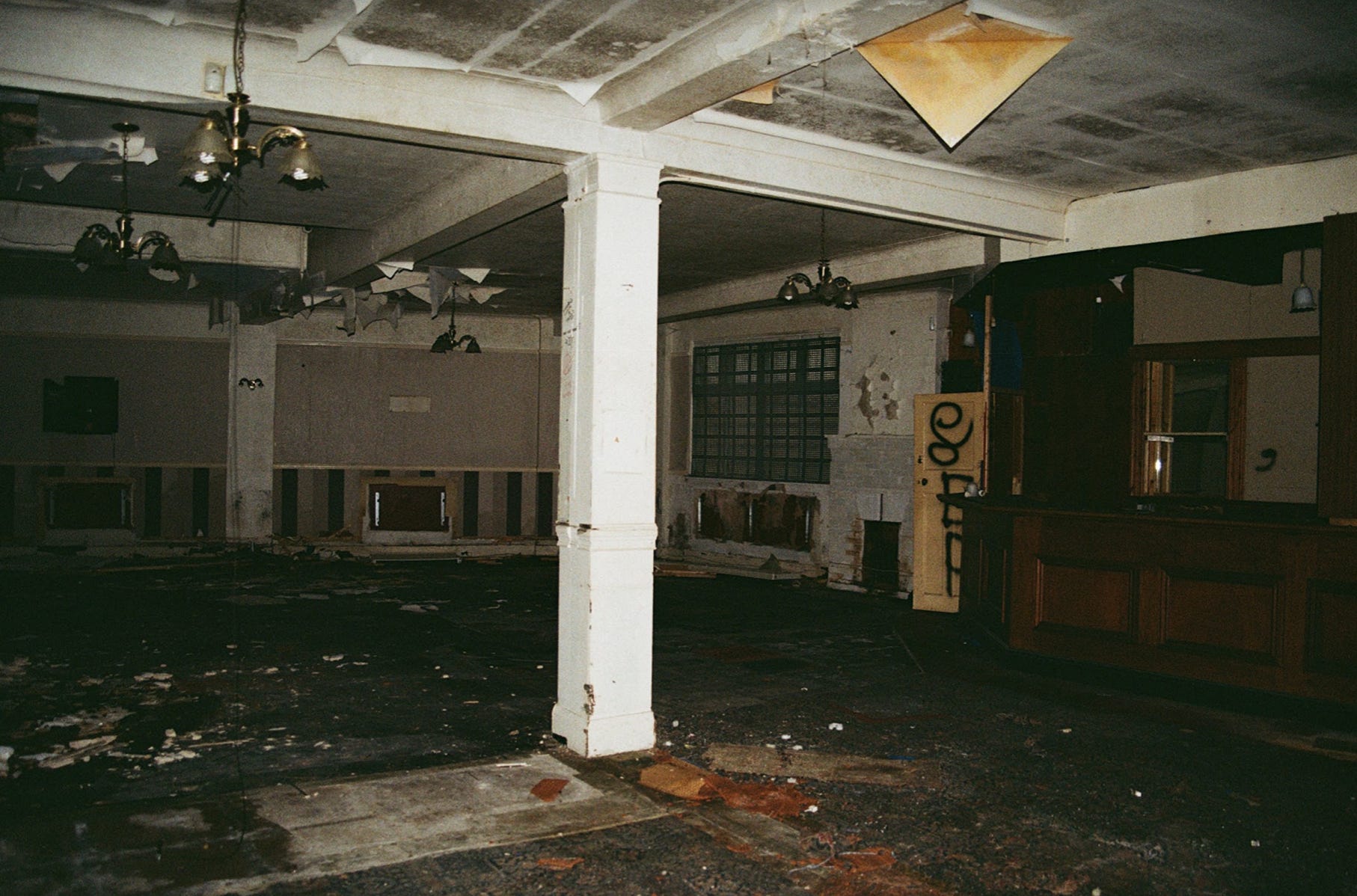
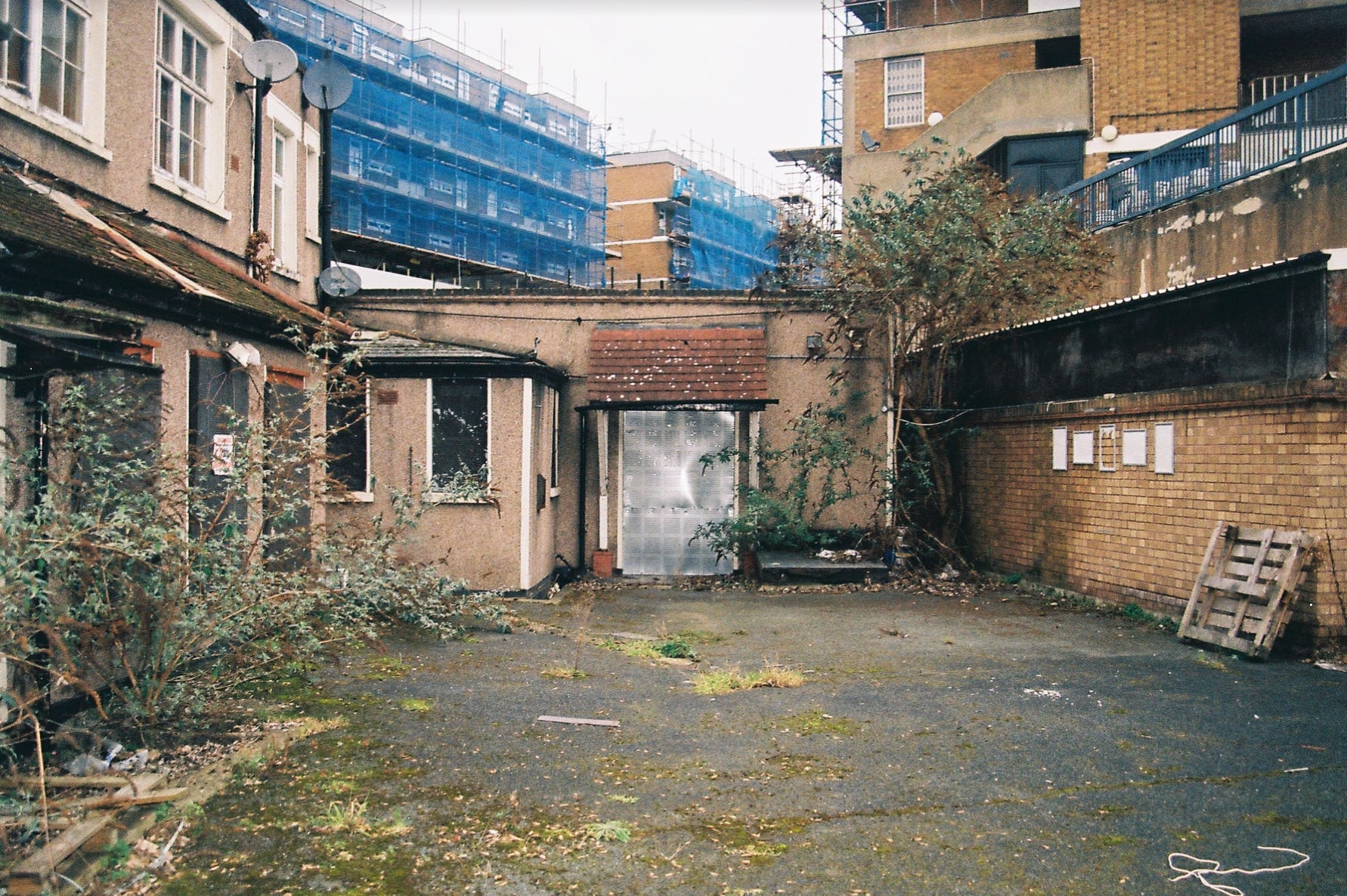
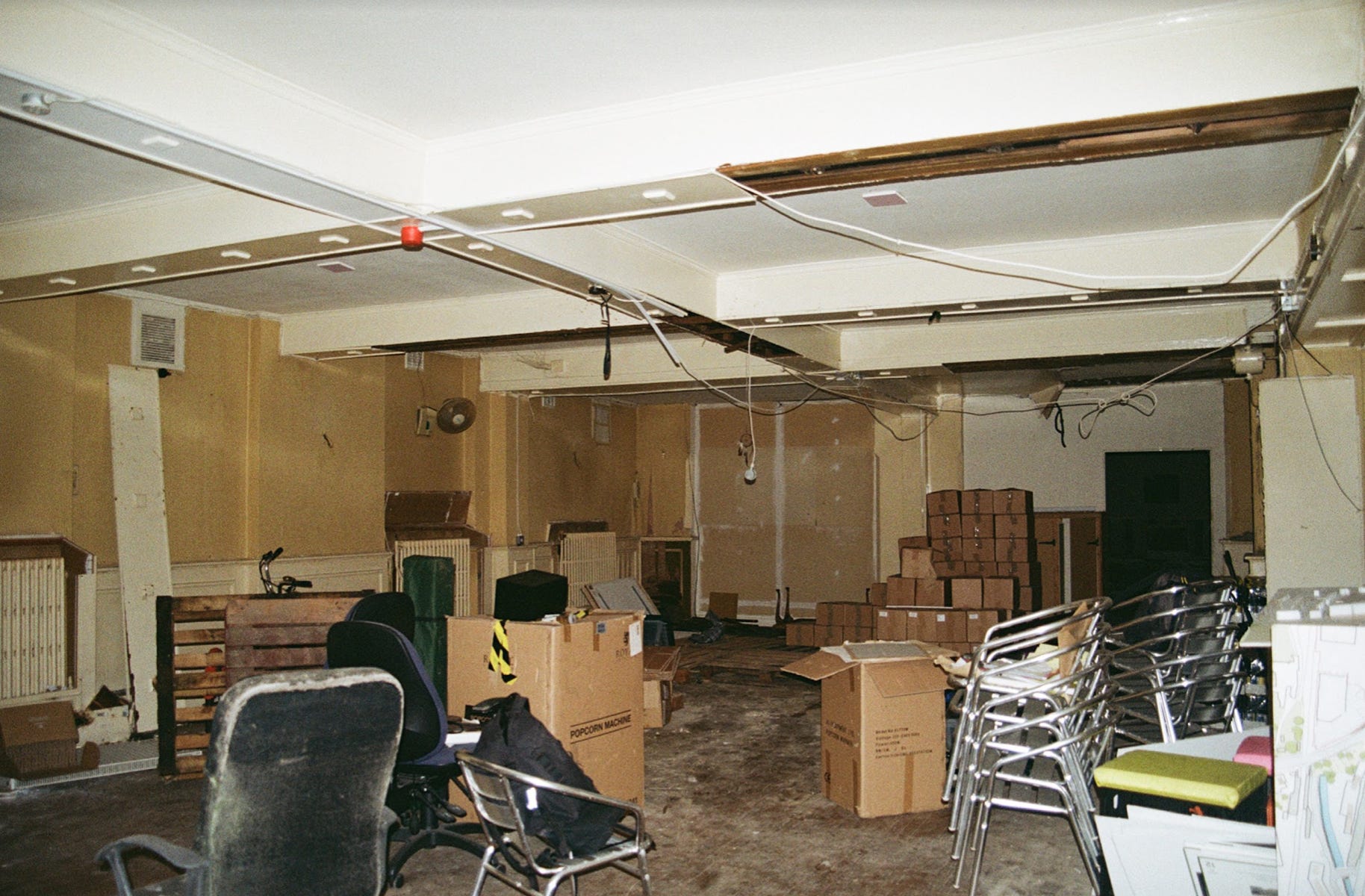
The latest phase of Sister Midnight’s journey will see them taking over the former Brookdale Club, a disused working men’s club in the heart of Catford.
Previously, Sister Midnight opened in 2018 as a record shop, music venue, craft beer bar and vegan friendly cafe in Deptford. Due to the pandemic, this space was forced to shut and the group chose to launch a crowdfunder to raise funds to acquire former pub, The Ravensbourne Arms.
After they were outbid for this former boozer, a tip off from Lewisham Council alerted the group to the dilapidated Brookdale Club and they were offered a ten-year lease on the property subject to a peppercorn rent - so without requiring payment. Instead, the group just need to raise the necessary funds to renovate the space so it can be brought back into use.
“The council said this would be a temporary let and invited us to see if it was of interest,” says Lenny. “We were jumping up and down with joy after we visited. We did the feasibility work and figured it would cost us half a million up front to bring it back into use. It sounds a lot but not when compared with the cost of fronting up the rent for a similar building which would also need renovation.”
This research into the mechanics of this new property took place in the background of their previous campaign for the Ravensbourne Arms. As this bid faltered, Lenny and her co-directors Sophie Farrell, and Lottie Pendlebury (of indie rockers Goat Girl) were unable to inform their investors for nine months on the upset raging behind the scenes. Then when this latest news came out in January 2023, it was to an overwhelmingly positive reaction.
“We’ve just had so much support,” says Lenny. “All in all, it’s worked out really well, this new space is in a town centre with an outside area, we’ve got space for recording and rehearsal studios - there’s no worry about having residents above.
“It’s going to be a community hub, the centre for a solidarity economy in South East London, a place for people to meet, organise and exchange ideas. So it’s been very fortuitous and we’re looking forward to cracking on with it.”
Dialogue with the authorities
Collaborating with local authorities and understanding how to maintain a positive and effective dialogue is an important part of Sister Midnight’s work. The trailblazing project Lenny and her team are undertaking is not only helping improve access to arts and culture in the local community but is part of a wider conversation around uncovering the value of culture, music and the spaces they are housed in.
“Night czar Amy Lame has been very supportive as have many,” says Lenny. “However, there’s also something to be said about whether people in culture sector roles in big organisations are given enough power to effect change. Often, they are not, as culture just isn’t valued enough.”
Lenny cites the emotional support and mental health benefits that venues offer alongside the sense of community they create around them as a huge positive. Yet, this provision is often overlooked with nightlife instead vilified as a noisy nuisance, especially for those living in urban centres. Perceptions are also clouded by a creative culture that celebrates burnout and undervalues personal labour.
“It seems to be a right of passage that you do voluntary work or you are underpaid for a while before you can approach some sense of financial normality within your creative career,” says Lenny. “And that seems like madness to me. These conversations have to start happening and grow louder so more are able to recognise the inequalities and value of free labour in the sector.”
Model approach to saving spaces
Traditionally, the nightclub is known as an entertainment destination open on a Friday or Saturday night for 10 or 12 hours a week. The rest of the week it lies dormant until the weekend comes round again. Yet, as far as Lenny is concerned, this business model was on its knees in 2019 - and now, since the pandemic, it’s effectively dead.
“Any grassroots venues still operating like this are likely to be on their way out, they just can’t survive,” she explains. “Instead, spaces have to offer more and engage with communities. Research supports this, how cooperative and community business models have a better survival rate [cooperative startups are thought to be almost twice as likely to survive their first five years].”
Across the UK, there are various DIY community groups operating spaces embedded deep within their localities - Wharf Chambers in Leeds, Cobalt Studios in Newcastle, Partisan in Manchester, Gut Level in Sheffield and many others. While sharing similarities, Lenny sees each model responding to the unique needs of their local community.
“You couldn’t take a venue like Future Yard in Birkenhead and get them to do what Sister Midnight has done,” says Lenny. “It wouldn’t work for us in South East London. They bought their building for £400,000 and you can barely get a flat for that in the capital.”
Adopting a not-for-profit approach not only offers their community greater input but is a way of these spaces devolving power. By reaching out to those in their orbit, venues can embed more resilience and agility within their infrastructure alongside opening up access to funding and financial resources.
“Adopting an ownership model like a cooperative means you can gain support from grant funding and your community as they are more likely to get involved and get behind you,” states Lenny.
“People feel a greater sense of confidence giving their money and support to a venue like a not-for-profit. By offering power and ownership to communities, this is one way that venues and cultural spaces can give themselves the best chance of surviving.”
The false flag of retail’s collapse
The death of the high street has been a headline news story since the pandemic hit and the subsequent restrictions it placed on physical stores.
According to the Centre for Retail Research, almost 50 shops shut every day during 2022 due to many of the reasons - soaring energy bills and inflation - that have impacted clubs and venues.
Some have argued that the collapse of retail represents an opportunity for nightlife to occupy these derelict shops but Lenny is sceptical. With more people calling towns and cities homes, it’s problematic for them to coexist alongside clubs and cultural spaces. Manchester’s Night and Day has been a continual target of complaints by new residents despite having been in situ for more than 30 years.
“Having people living above them makes these retail spaces instantly impossible to function as music venues,” says Lenny. “Sister Midnight started life in a retail space and we were fine up until the pandemic before we had to close. Then we did rehearsals for bands during the pandemic and some new tenants moved in upstairs, and they started to file noise complaints. If we’d reopened as a venue, we would have been finished.”
It’s a familiar story - new residents move next to a venue, get upset by noise, file a complaint and suddenly it is under threat of closure. With urban centres increasingly hostile spaces towards culture, it means many such spaces are heading to the fringes. From Glasgow to London and Manchester, this is a trend that is in evidence across the UK but raises safety concerns for clubbers and gig goers.
“In urban planning, creative spaces are an afterthought which is why so many are springing up on industrial estates,” says Lenny. “It’s very cool and vibey. But if you can’t afford a taxi or travelling on your own, then you’re potentially putting yourself at risk. It’s fucking awful as a young woman, travelling to an industrial estate late at night feels very unsafe.”
The gentrification reality
Gentrification is a controversial term and concept impacting towns and cities across the UK. Defined as a process by which ‘poor urban areas are changed by wealthier people moving in, improving housing, and attracting new businesses, often displacing current inhabitants in the process’, it’s led to spiralling rental and property prices in the capital.
According to recent stats, private rental prices in London increased by 4.3% in the 12 months to January 2023, up from an increase of 4.0% in December 2022. This rise is the strongest annual percentage change in London since August 2015.
If property costs continue to soar at this rate, then inevitably some will be priced out of a community or area - and only similar types of people on a certain income will be able to afford to live there. This homogenisation of a community is often blamed on a hipster bar or cafe and their influence in raising rents - but Lenny argues that this doesn’t add up.
“A lot of the time, people will point the finger at cafes, coffee shops and music venues as the perpetrators of gentrification,” says Lenny.
“Many of these small indie businesses have moved to an area and have to sell things at a high price in order to afford their rent and their staffing costs. Who is setting the rent and the trends for the rising property prices? It’s developers - and we don’t usually look at them as the source of gentrification.”
So how can this cycle of spiralling rents, and communities and creatives being forced to move out end? Lenny believes that cooperative models are a way forward to avoid putting money in the pockets of invisible developers.
“There is a real disconnect between what drives gentrification and what it actually looks like,” she says. “It’s important if you are to develop projects like ours, that you do you do it in a way that builds and gives back to the community. This is the secret to longevity”
Sister Midnight’s future
Now the new space is in their hands, Sister Midnight are working hard to prepare it for an opening later in the year amid a number of moving parts surrounding their work. As no rent is required, the collective are hoping that any money they had set aside for this outgoing can be saved and put towards a deposit on a new space when their lease runs out. There’s a constant level of uncertainty to their work that is not for the faint hearted.
“We again are so lucky that we have an amazing team between me, Lottie and Sophie, we have lots of skills covered that I think might take a bigger group,” says Lenny.
“We’re all insanely talented and super lucky to have found each other. You need an accountant, a community practitioner, you need industry engagement which Lottie has done via Goat Girl. I always say we aim for the stars and land on the moon. We always go massive with the vision and end up half way seems to be where we end. So we’re just going to continue dreaming big.”
Visit the Sister Midnight website to find out more and invest in their project.
Stay tuned to their social media accounts and website for further updates on the progress of their project.
Thanks to Sister Midnight for the images of their new space too.