#45 Deeper Into Outer Space | Truus De Groot
The Dutch artist shares wisdom from five decades sharpening the edges of DIY electronic music culture…

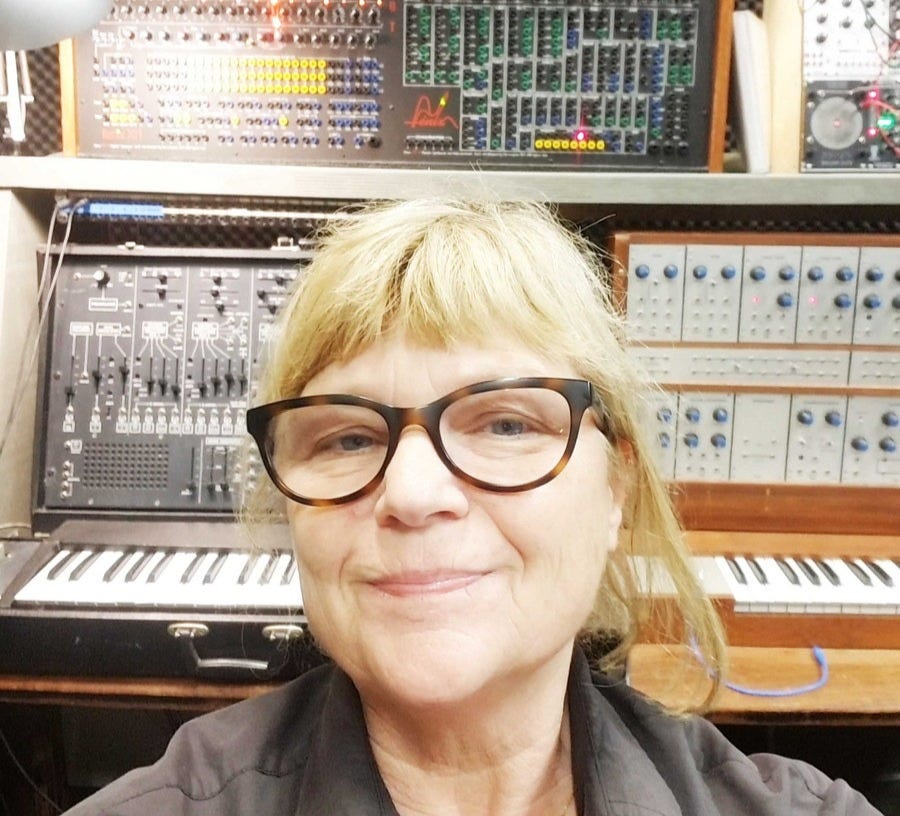
Art over matter could be a mantra for Dutch music pioneer Truus de Groot, a creative who has lived a life making memorable noises from the fringes.
First appearing during the anarchic days of seventies punk, Truus’ discography is full of independent energy, sustained by an urge to make things out of nothing. There’s a prolific bubbling over of ideas with a new electronic album as Plus Instruments, ‘Unnoticed’ now out. Recorded at the Ranch in Escondido, it was released via our Ransom Note friends earlier this year.
“I was drawn to synthesisers and electronic music as I had no technical ability but I would play anything I could,” she says on how she started making music. “If you gave me a drum, I’d start banging on it. With electronics, it’s a much more forgiving medium as there are no rules. You don’t need to know how to play keyboards to use them - it’s a matter of pressing buttons and finding cool sounds.”
“Once I got super analogue synths like the Crackle Box, you have to just find something you like. It’s all about searching and less to do with technical ability.”
Curiosity has kept her progressing over the decades as she’s moved through collaborators, fellow doers, makers and instigators. New York and California have been homes while her list of creative partners includes Lee Ranaldo of Sonic Youth infamy, James Sclavunos (Nick Cave), Jim Duckworth (Gun Club) and producer Cosmo Vitelli among many others. She says:
“I’m going to carry on making things no matter what happens - I’ve never done it to become famous. I do it because I have to.”
Truus
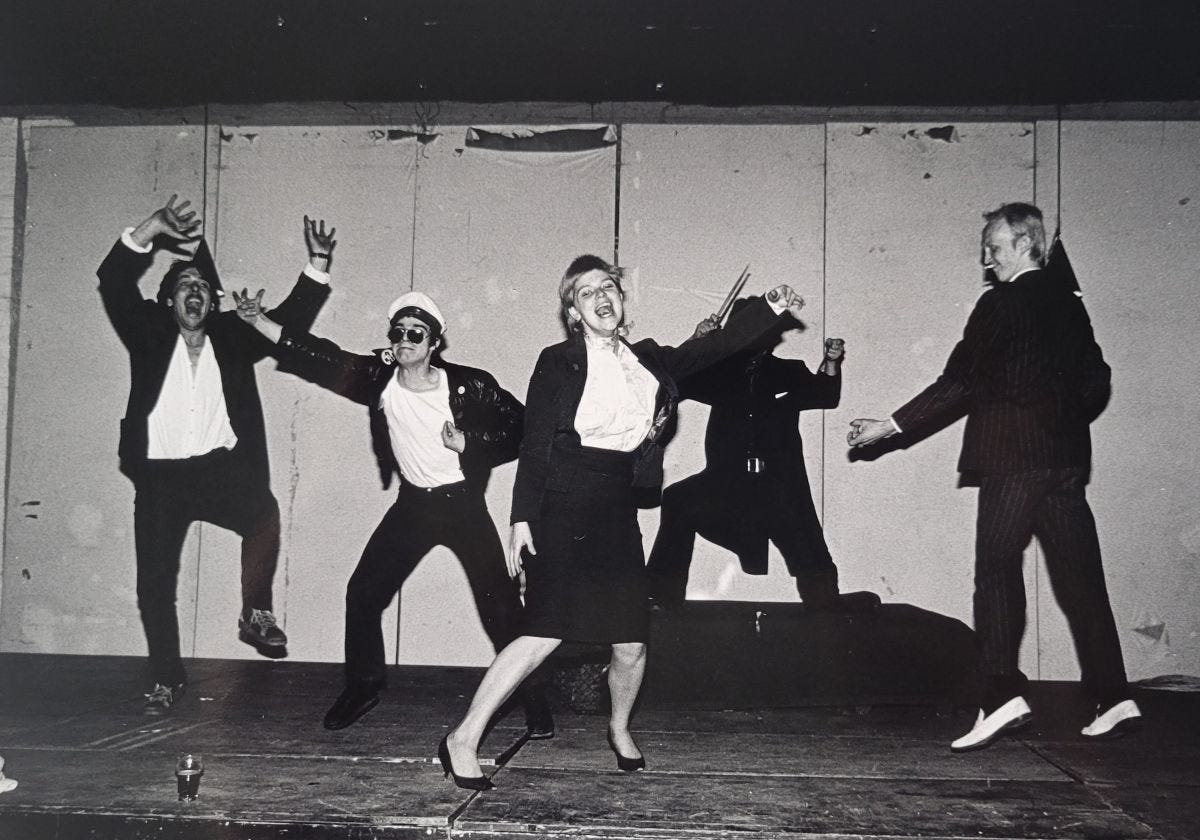
It was in the late seventies in the Netherlands where Truus first started toying with machines, fusing concepts and creative expression. Coldwave, punk and synths all rubbed up against each other and she was caught up in the friction.
“I got involved at a jam session at this discotheque called Sunny Explosion in Eindhoven, I was cast as a background singer,” she says.
“I did it once, thought it wasn’t much fun being in the background so demanded a lead role and it took off from there. I didn’t know I had the ability to be a front person but once I did it, I just did it.”
She started with Doe Maar, a Dutch pop band before joining post-punks Nasmak (pictured above) and directions for her musical path were set. It was the Crackle Box, a unique, unpredictable electronic instrument developed at STEIM by Michael Waisvisz that became an important creative toy. He designed it for jazz improvisation but she began utilising it from new wave and electronic perspectives.
“What’s really interesting is how unpredictable an instrument it is, it’s almost like a live circuit bending tool and it’s completely abstract, I love how abstract it is,” Truus states.
“I remember how the sounds that came out of it were really weird and I loved that idea that this could be something you’ve never heard before.”
The Plus Instruments project began to take wilfully obscure shapes while she was in Nasmak with Truus utilising a rehearsal space in what had previously been a chicken coop.
“We had it converted and it was important as we did a lot of experimenting there - I mean we started out just playing songs and everything, but as time went on, we would experiment non-stop - or I would find myself alone in there and play.”
NYC and new environments
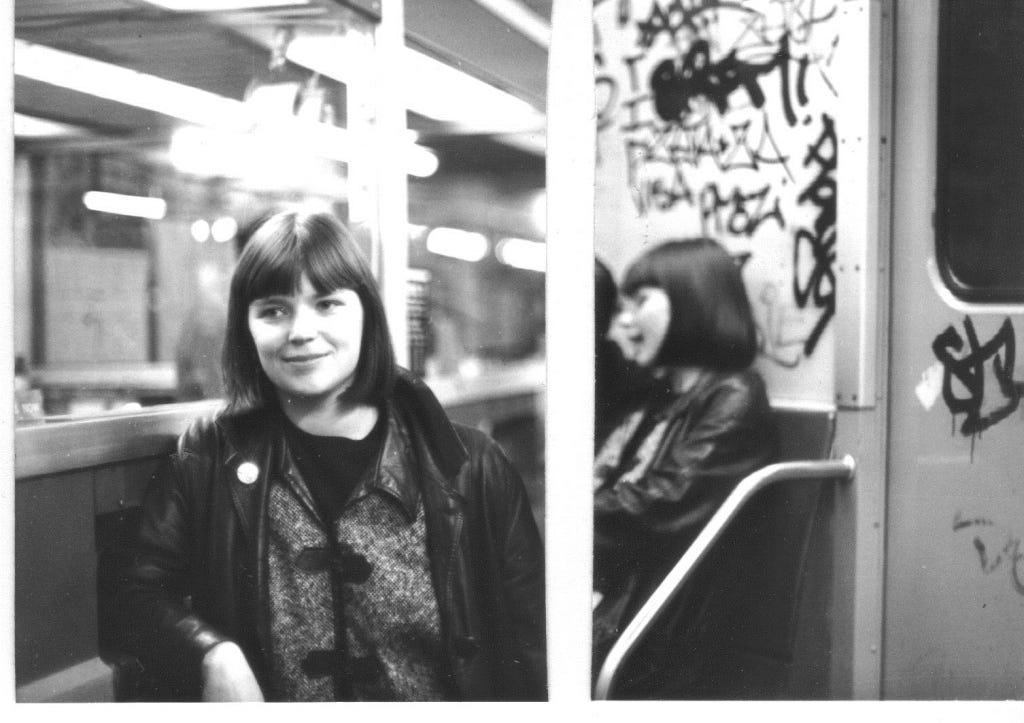
Truus has flitted between the Netherlands and the US, moving to the New York home at the start of the eighties.
She stayed with drummer David Linton in his Tribeca Loft (alongside Lee Ranaldo of Sonic Youth) and began hanging out at spaces like the Pyramid Club and the Kitchen.
“The Pyramid club was really important as they took chances with whoever turned up,” Truus says. “Get on stage, do your thing, it doesn’t matter how it goes - it wasn’t about attracting anyone, it was about creative expression.”
Her perspective shifted when she arrived in the city. Its bleak and unforgiving landscape during the late seventies and early eighties is the stuff of legend with the harsh terrain forcing her to start hustling on behalf of her music.
“It was a hard life in NYC back then, in Holland you could get away without having to do a fucking thing and just live on the dole,” she states. “But in New York, you had better get something going otherwise you wouldn’t have any money.”
“Immediately, I was more motivated to promote myself and get things done. You’d become adept at selling yourself more to the promoter, that’s how it worked back then - I’d never done that until that point.”
“It was really dangerous, it had immense grit and I was a total stranger, I was very Dutch and that kind of helped - in NYC, everyone is rude and direct like the Dutch so I didn’t really stand out.”
Truus lists other important spaces - the Peppermint Lounge, CBGB’s, Danceteria and Club 57 - as crucial spaces for her to perform.
“There were so many spots to do shows, you’d find the booking person, try to make a positive impression and line up as many shows as you could.”
Plus Instruments
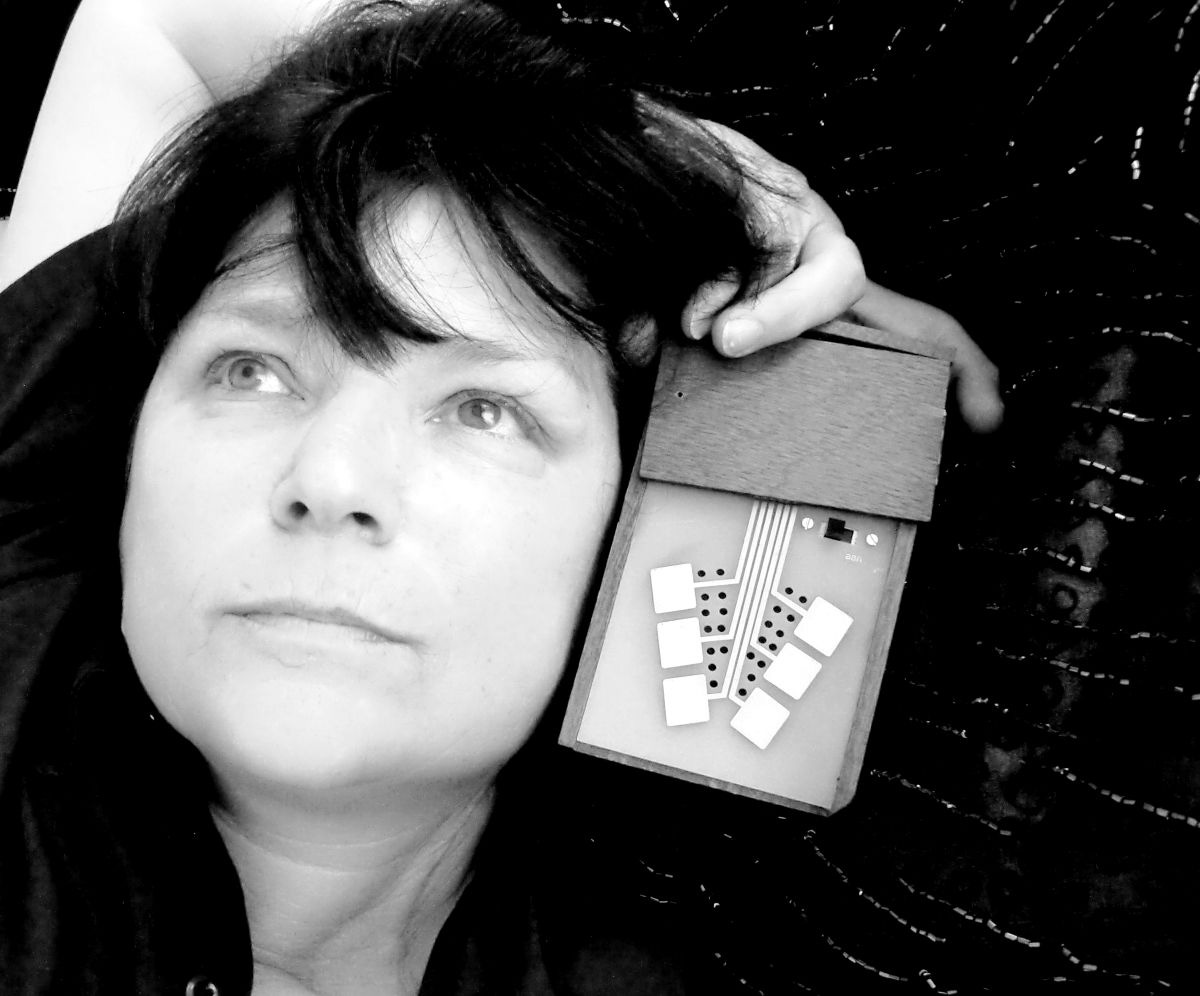
Plus Instruments was started by Truus and her friend Bregt Camphuijzen as a way to pass the time. Music-making came via whatever gear and tools they could get their hands on with the name for the project inspired by an advert.
“I saw this cool vintage ad for an electronics company, Texas Instruments, and thought that Plus Instruments could be cool too,” Truus laughs. “It was just us, plus instruments, so whatever we could find.”
The latest record, ‘Unnoticed’, was inspired via a creative connection with French collaborator and electronic producer Cosmo Vitelli. The analogue songs, as with so many of Truus’ projects, arrived via a process of experimentation.
“I realised that with just one singular abstract setting on my self-designed synth, I could make an entire song and thought I should do a super minimalist album, just synth and vocals,” she says. “Cosmo liked it, so some of the songs stemmed from that, then I also wrote some music with more dance elements. I like to do this live. It’s just me and my machines.”
“I usually write impulsively, then go back to it and start building from there. The idea comes quickly, then I have to hurry to get it in the studio recorded before it leaves my brain. But it’s all about trying to keep things fresh.”
She cites ‘Pain in my Heart’ as one of her favourite moments from the record, a dancefloor throbber that conjures up images of DAF duelling with Hard Corps - pure metal dance.
‘Pain in my Heart’ came at the end of the process and was a very spontaneously written song,” Truus says. “A song like ‘For Saftey’, that was one of those instant songs I wrote too, I’m happy with that, it really conveys the creepy mood of the times we live in, you know where all these stupid regulations don’t make anything fucking sense.”
“This creepy sound just came out of a synth, it’s so remarkable to me, what comes out of my machines - every song has a little story attached to it.”
Tools of resistance
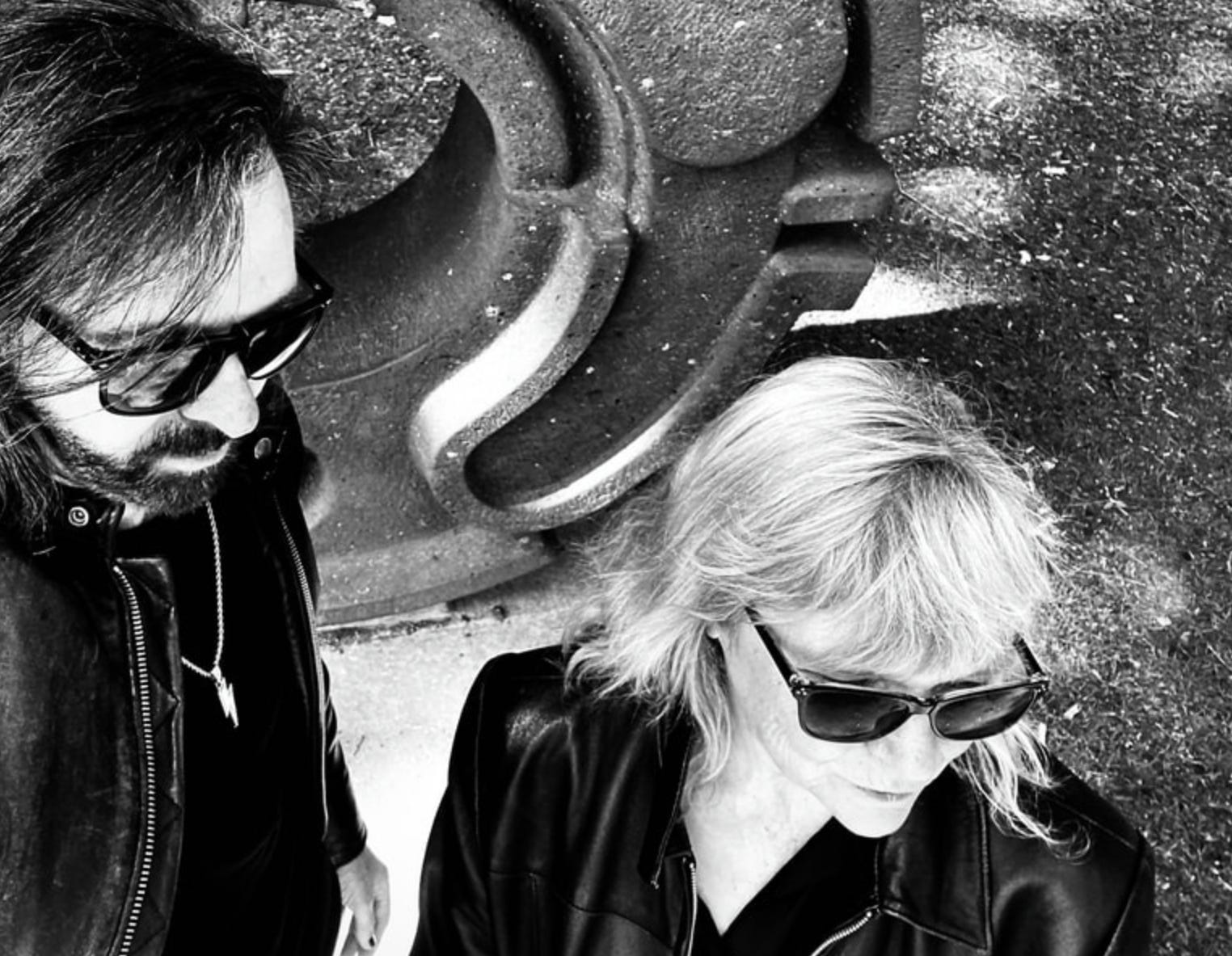
Truus’ approach to her gear and instrumentation is impulsive. She secured a Monotron Korg that she immediately added to her live set while other mainstays include the Korg microKORG XL and Arturia MiniBrute.
“I stick to a couple of set instruments that I really like and that I can get a lot of stuff out of,” she says. “I really like small instruments, they really help when travelling.”
“Bandcamp is such a great resource too - but also, pretty much in the last ten years, you can throw anything you want on streaming platforms for pennies, that’s cool, you can do it yourself rather than having to wait for a label to do it for you.”
Despite being at this juncture in her life and musical career, there’s no signs of slowing from Truus with this latest release via Ransom Note a jewel in the discography of Plus Instruments. Its 12 tracks retain the spiky energy her music is loved for while her hunt for creative sparring partners is ongoing.
“I’ve just started something with Golden Bug, and that immediately yielded four amazing tracks, stuff like that keeps coming my way, I’m so grateful for it, it just works,” she says. “The same thing with Cosmo Vitelli, he came my way and wow such a great learning experience… every time you work with a new collaborator, you learn so much more and I love that.”
“For me, it’s not a job, I do this because I have to, it’s my passion and the thing I think about constantly. I’m always thinking about the next song, it’s an obsession, the same way it is for a painter. I live for my creativity and that has kept everything spinning.”
Find out more: Truus de Groot Bandcamp | Plus Instruments | Instagram
Unnoticed is out via Ransom Note Records. Order the cassette and digital album
🤩🤩🤩