#50 Deeper Into Outer Space Richard Fearless
For our 50th edition, DJ and producer Richard Fearless shares his clubbing journey and the spaces that have shaped him…

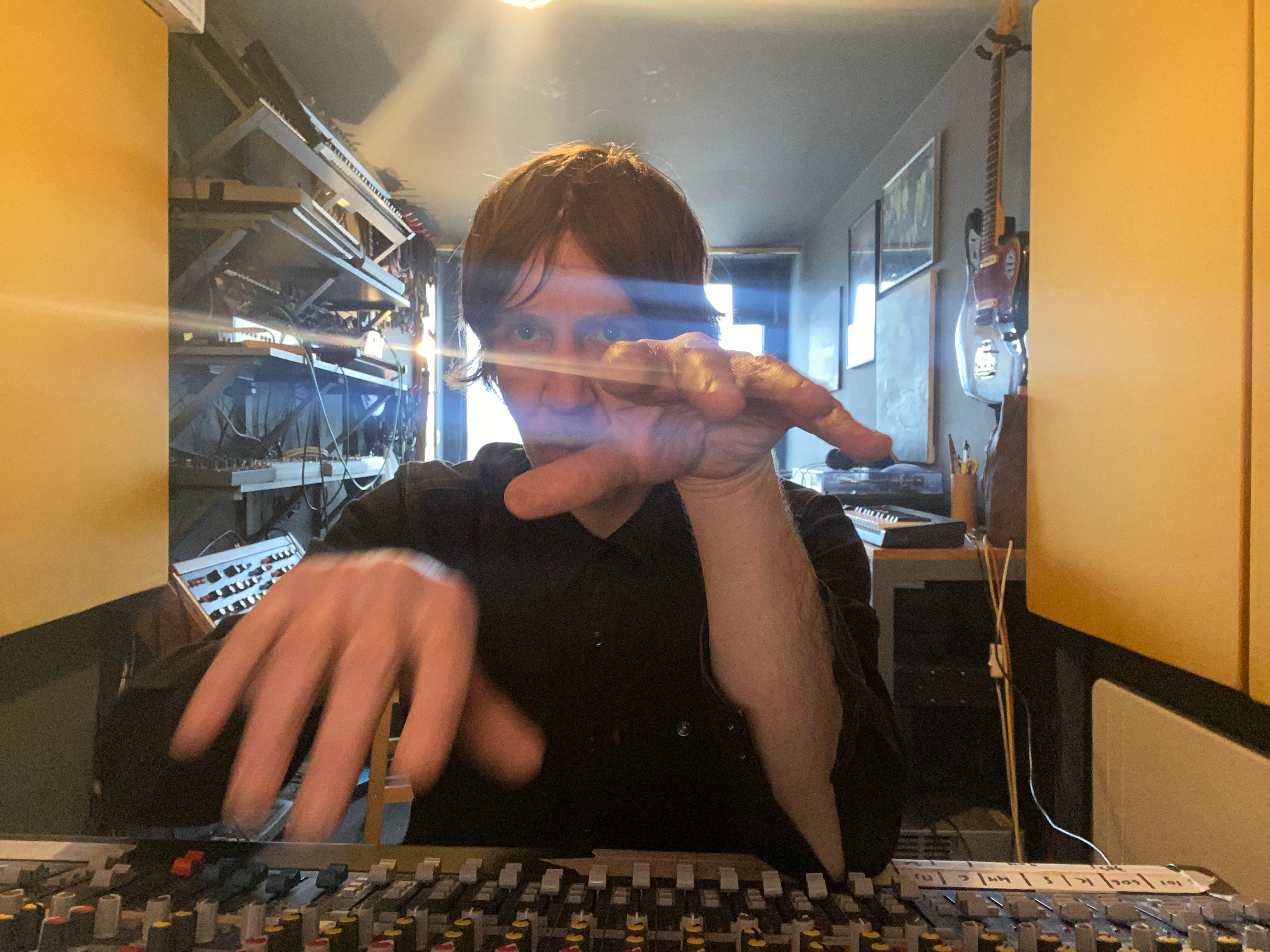
Back in the mid-nineties, DJ and producer Richard Fearless’ breakthrough moments occurred all at once.
He secured a residency at the Job Club in Soho, then was invited to bring his leftfield selections to the Heavenly Sunday Social as a DJ too. At the same time, Richard was asked to work on a remix and during the studio downtime came up with ‘Opium Shuffle’ - an experiment that morphed into the first Death in Vegas release in 1995.
“Literally, that record led to this five-album deal, it was single of the week in MusicWeek, and I started DJing at the Heavenly Social all at the same time,” Richard says. “It was great - but in hindsight, I kind of wish I hadn’t pursued it. I don’t feel like I started making my own records until my 2004 album, ‘Satan’s Circus’.”
“It was only then that I found my footing, I have this imposter syndrome and I still get it to this day to a certain extent, I’m a visual artist who makes music.”
Since those early years, Richard’s journey has been full of intrigue with moments in the glare of the spotlight before retreating to the smoke and darkness of electronica’s underbelly. Music now emerges as Death in Vegas, under his own name or via his Drone label while he also DJs and hosts various parties under the moniker of Goo (with Daniel Avery) and Holy. He’s as busy as he is creative but it’s been a fight to get to this point. Richard had to re-evaluate where he was at in the shadow of Covid lockdowns.
“Post-Covid was a tricky time for me, I went into it supporting the four of us, my wife and two kids, then I came out of it and had no work,” says Richard. “I’d never thought about money before but I had to and went into this real slump. It was really difficult.”
“While I was struggling, I ended up getting booked to play this queer party called Hot Box and just had this moment. I remember thinking, ‘I can’t sit here expecting things to happen’. I needed to be proactive and start my own thing and it gave me a total kick up the arse.”
Clubbing manoeuvres
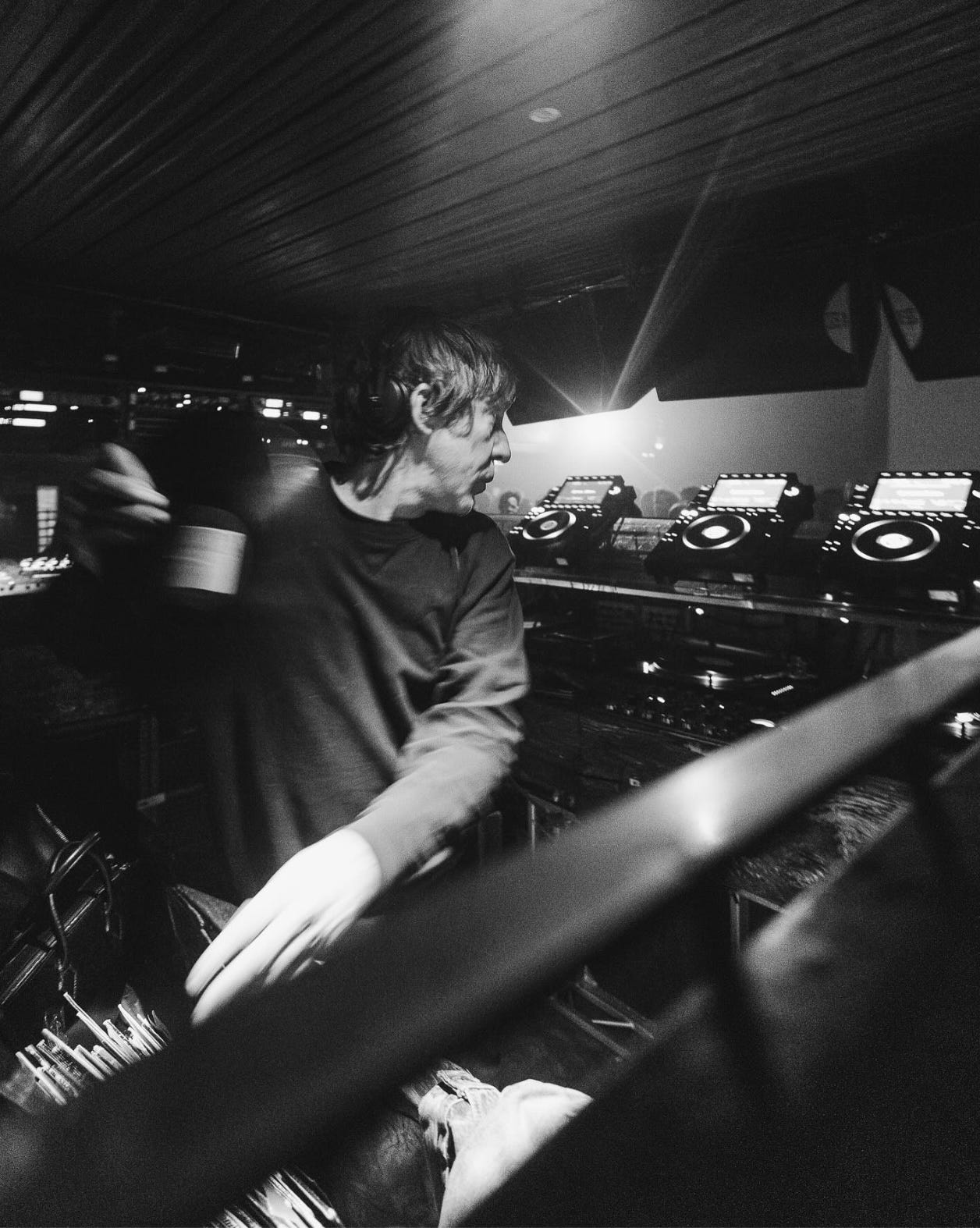
If we go back to Richard’s early days, music was a love of his as a kid. Born in Zambia, he spent his childhood living in the Kalahari Desert, before heading to boarding school in England.
“During apartheid in Zambia, the only television we could get was Afrikaan TV and that wasn’t really allowed for obvious reasons,” Richard says. “So we had a record player, it was this hallowed thing, especially as my parents were so into their music.”
From jazz to Congolese sounds, there was a rich, varied amount of sounds played in the family home.
“From an early age, I can remember the bug of putting a record on and trying to make our parents dance,” Richard says. “This was pivotal in getting into music, understanding the power of selection and what it could do.”
During his late teens, Richard was initially a fan of indie bands like Loop, My Bloody Valentine and the Pixies, then moved into a housing co-op in London. Journalist Barbara Ellen was among the residents who shared the legendary ‘Techno! The New Dance Sound of Detroit’ compilation with him.
“I moved in around 1989 and this was a huge turning point, ecstasy had landed, acid house was arriving and this was a big moment for me musically,” he says. “We started going to these big raves, then smaller London clubs, places like Love Ranch at Maximus in Leicester Square, Milk Bar for Danny Rampling, Betty Ford Clinic on a Wednesday, and Solaris on a Sunday night in Holborn.”
“A lot of going to these places was trying to catch Andy Weatherall, he was the first DJ who ticked all the boxes for me for all the obvious reasons and there became this group of us who were obsessed with trying to watch him whenever we could.”
As a clubber, Richard also fell in with a group of northerners who took him up to Shelley’s in Stoke to see Sasha. An infatuation with both Sasha and Weatherall proved to be a turning point. From this point on, he would always look out for what the DJ was doing.
“I was always the kid trying to work out what records they were playing, I remember watching Derrick May, then Claude Young,” he says. “My clubbing experience began in London, then in art school I started going to the Mutoid Waste parties too, one of my college mates was friends with the Vegetable Vision guys too. They did the visuals for these parties and I began going to them too.”
DJing and production
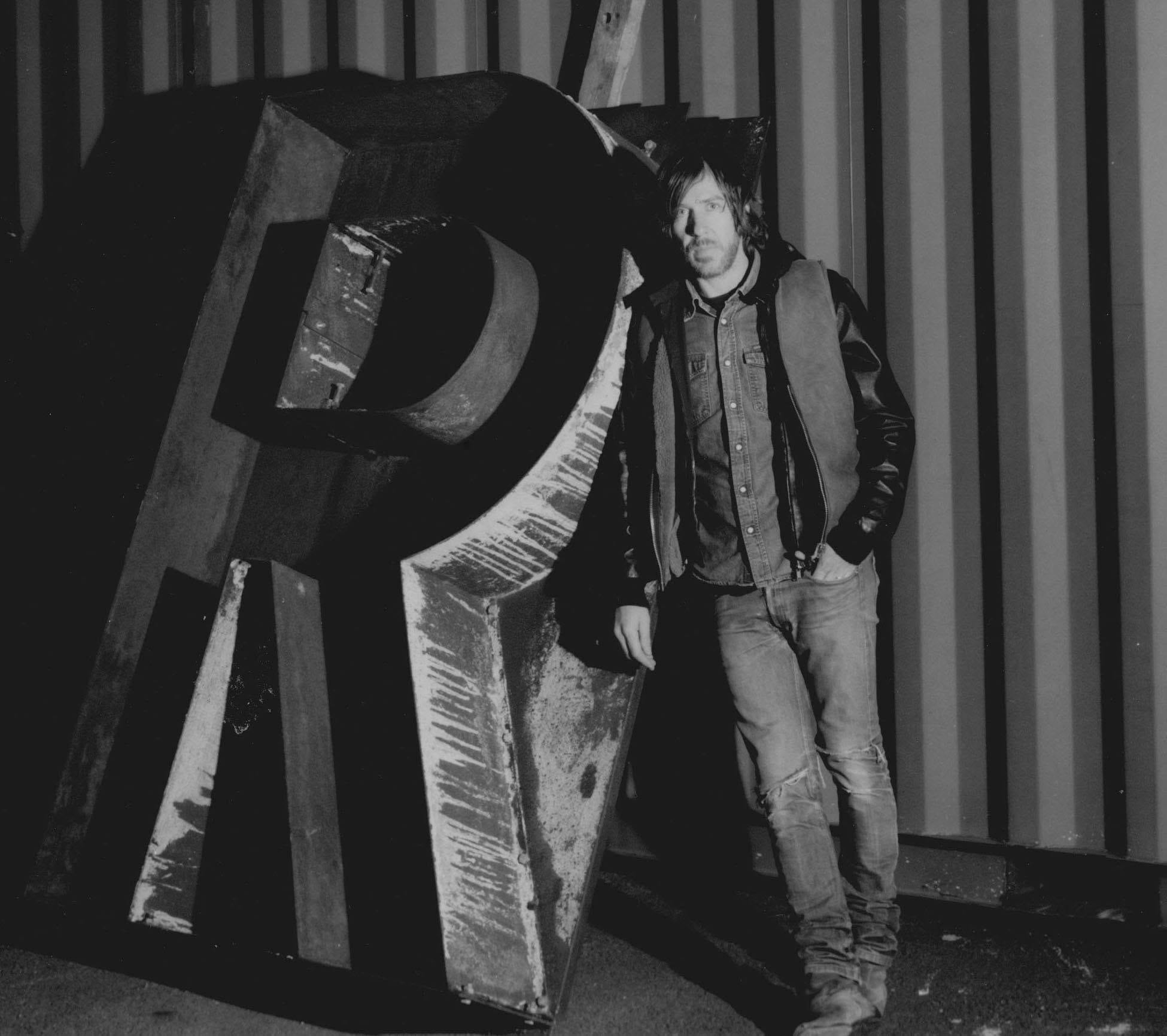
Art college was an important time for Richard. Not only was he going out all the time but he used his grant to invest in turntables and more music. It was around this point that Richard started DJing, known among his social circle as an obsessive record collector.
“I ended up getting taken on by Andrew’s previous agent who used to run the Haywire party, I’d go to the Fortress where they were held in Shoreditch,” says Richard.
“Seeing DJs like Richie Hawtin in the back room of a club was among many special moments inside London’s clubbing scene. Now they would be like any festival you go to but at the time, it was mad to go into a random house with UV paint on the walls and a tractor suspended above everyone.”
Richard also cites Liverpool DJ John Kelly as a major influence on his own experiments behind the decks. Originally from Liverpool, John began his career in the mid-1980s and co-founded The Underground, which evolved into Quadrant Park while also becoming a regular at clubs like Cream and Ministry of Sound.
“He was the first DJ I saw put on two records, and blend them together to come up with something else,” Richard explains. “It was something I like trying to do when I play as I love those moments when one record can be quite minimal, another has pads so you try to take them to another level. John was a master of that.”
Death In Vegas
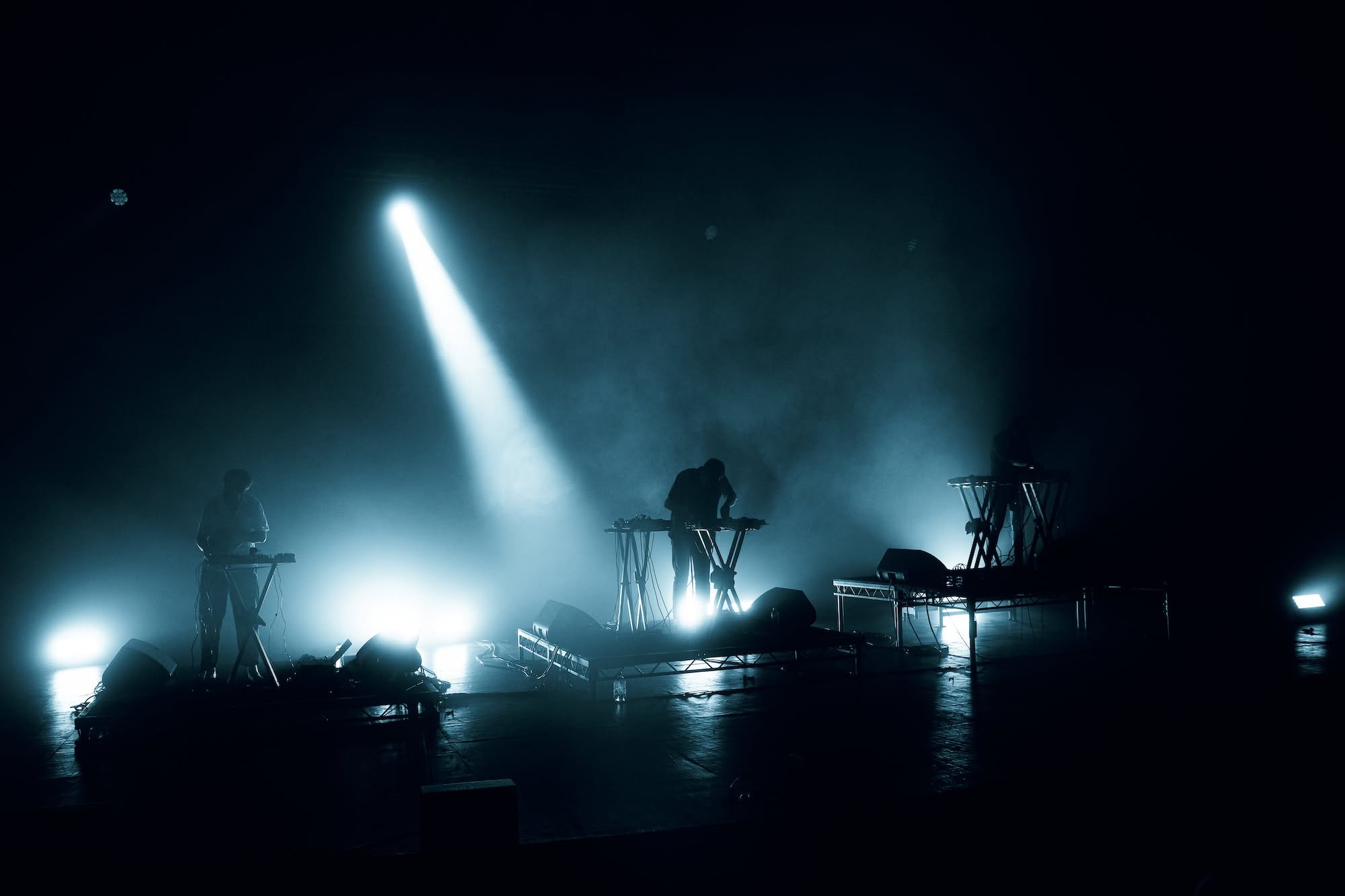
Death in Vegas and Richard grew up in the limelight, initially associated with nineties big beat through albums like ‘Dead Elvis’, ‘The Contino Sessions’, then 2002’s ‘Scorpio Rising’. Leaning into collaborations with artists including Iggy Pop, Liam Gallagher and Hope Sandoval from Mazzy Star, a creative reset during the 2000s saw Richard’s production aesthetic gradually delve into the darker sounds he’d always DJed.
“At Heavenly, we all got tarnished with the same brush but we couldn’t have been more different as DJs,” Richard says. “Jon Carter with his ragga leanings, Ed and Tom from the Chemical Brothers who we all know, I was into more Detroit sounds, and labels like Likemind.”
“Then I started Death in Vegas, and rather than tap into what I was really into, I tried to keep it separate and be something else. It’s taken 30 years for Death in Vegas to be more reflective of what I am as a DJ, certainly far more than it was at the beginning.”
Death in Vegas’ musical life has gone through different chapters. One of the most discombobulating was during the release of their fourth album ‘Satan’s Circus’. Unveiled in 2002, it was an instrumental record and led to the band being dropped by BMG. There have been some uncertainties and challenges in the intervening years but the group released their seventh album, ‘Death Mask’, in June 2025. Rather than looking back, all eyes are locked on the future.
“When I restarted Death in Vegas, I promised myself that I wouldn’t do a record or a live show unless it was creatively challenging,” Richard says.
“I’ve had a lot of requests to go out with a full band to play ‘The Contino Sessions’ but I’d rather shoot myself in the foot, it doesn’t appeal to me.”
“I’m trying to push myself creatively, keep it exciting, I’m 53 years old, I feel more inspired now than ever. I’m not having to think about how to rework ‘Dirge’ - I’d rather be broke.”
London

London has been Richard’s home for many years although he did move to New York to study photography after Death in Vegas parted ways from BMG.
After giving himself some space from music, it was coming across his current home at Trinity Bay Wharf, an arts space where the River Lea and the Thames combine, that has been an inspiring environment. Here, Richard and fellow electronic luminary Daniel Avery call home and the metal box he makes music within has helped him tap into a creative well.
“When I came back from the US, I took up this offer from Weatherall to move into a spare room at his Rotter’s Golf Club base, that’s where I did [Death in Vegas’ 2011] ‘Trans-Love Energies’ album,” he says. “I made it, then decided I needed more space and found this fish farm near Aylesbury. I was contemplating it before I found this place where I am now.”
It’s proved to be a stimulating environment, one that has been much discussed in past interviews and we talk about it here. Located in the shadow of Canary Wharf, near the O2 arena, there are boats passing to and fro, transporting materials for London’s construction projects.
“You can sometimes forget that London is a working city. But down here, you can really feel its pulse - it’s influenced me no end,” he says. “From working down here, I started going to the Docklands museum and exploring the history of East India and the East India company.”
“When I did my album, ‘Future Aid Memory’, I went deep on the history of the location and tried to get to grips with the crime associated with this part of London, how different religions have embraced the Thames - I tried to channel all of this into this album.”
Today’s clubs and creativity
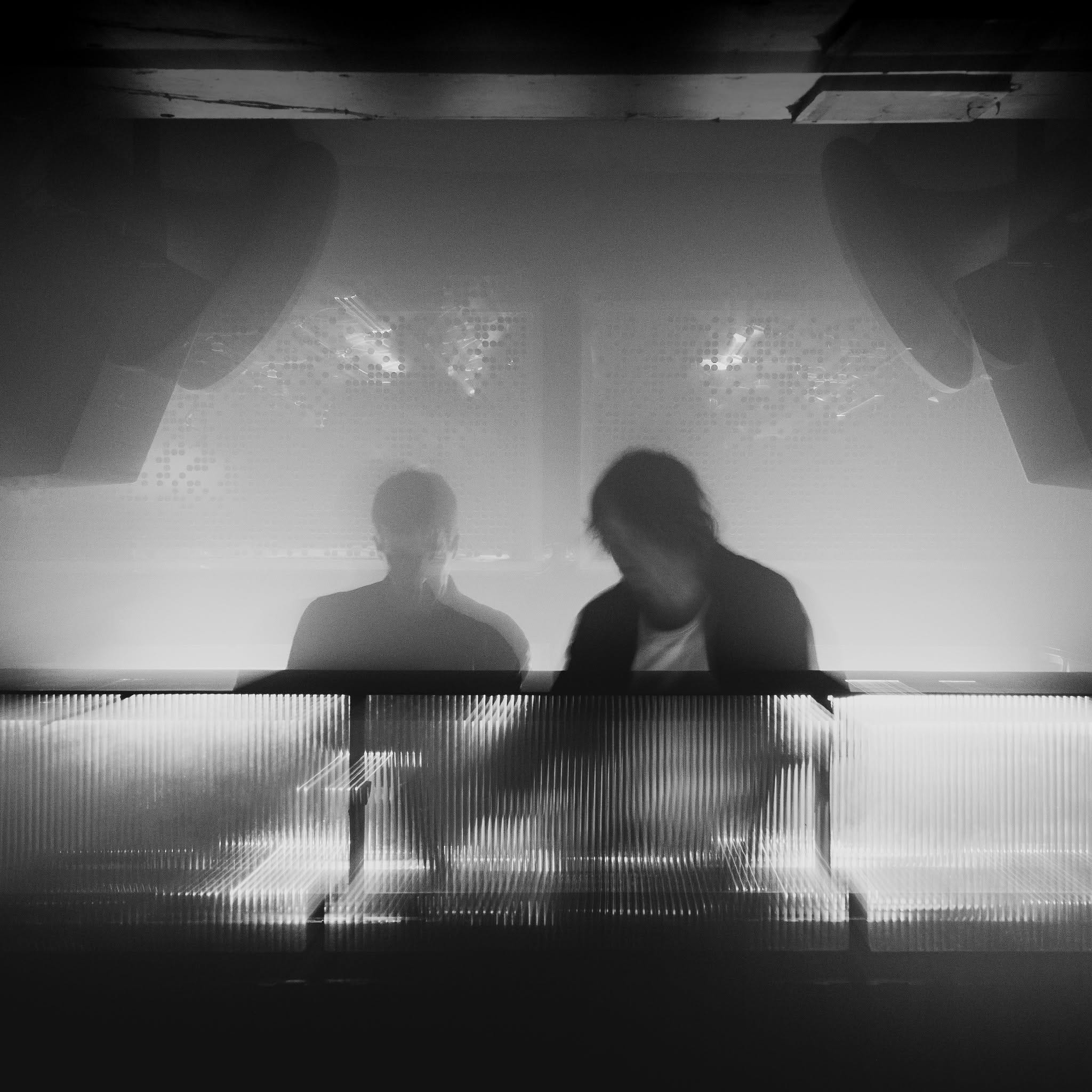
Richard’s creative resurgence came through different connections and he’s clearly excited by the clubs he’s now playing at. Goo is his day time party hosted in partnership with Daniel Avery.
“I’d known Daniel through mutual friends, we had studios next to each other, realised we had similar tastes, the same records resonated with both of us,” Richard explains. “We started talking about playing together, one thing led to another, then we came up with the idea of Goo and we were very sure we wanted to do a Sunday day party.”
Goo began at the Pickle Factory, then moved to different spaces at clubs like Ulster Sports Club and cities including LA and New York. Richard has also started a dub night known as Holy run with Tom Dubwise who runs the Dubwise shop.
“I was buying so much music from him, we got on, started talking about doing something,” Richard explains. “We found this place Cu in Dalston which is where we do it - and it’s been amazing, I’ve always been really into dub, one of the great things about living in London is all the reggae shops that you used to be able to hit, Peckings, Dub Vendor, killer stalls in Brixton. These are the places I bought all my dub..”
Of course, as with so many interviewees we get onto the health of club culture - and from where Richard is at, DIY spaces seem to be flourishing while the bigger spaces are struggling.
“I think sound is now better across the board but particularly at the smaller clubs I frequent,” he says.
“Pickle Factory was a great example, sound now seems really thought about - the tech is improving, you can have a room that doesn’t have to be acoustically treated where the tech can enhance the sound.”
Despite his tragic passing, the influence of Andrew Weatherall continues to loom large among many and the same applies for Richard and it was the former’s love for the Golden Lion in Todmorden that led to a recent visit. Richard’s creative wheels are spinning at a rapid rate with more Goo and Holy parties, releases on Drone and writing with Death in Vegas while the love of the small club still radiates strongly.
“Andrew would always talk about the Golden Lion, it was at his wake where I met Waka, one of the people involved, it was talked about then about me playing - there was this Weatherall weekender where I got asked to play, it was a brilliant night, it’s a special place.”
“Myself and Daniel went back recently, then did the Sunday at Sneaky Pete’s, it blew my mind. The Goo parties we do up north have been so wild, with each one, the crowds are more tuned in, people are getting really into it. It seems like we’re zoning in on the essence.”
Connect with Richard | Instagram | Facebook | SoundCloud